

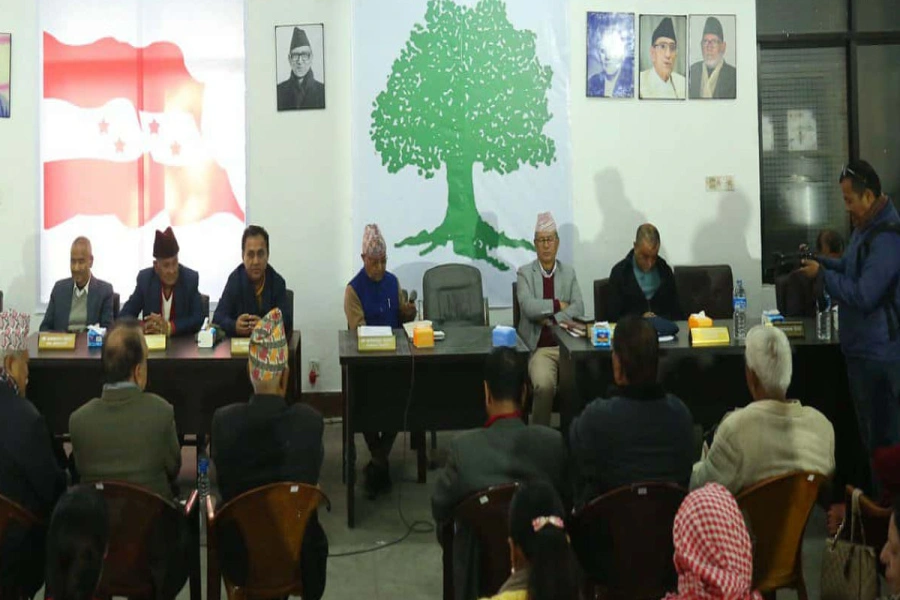
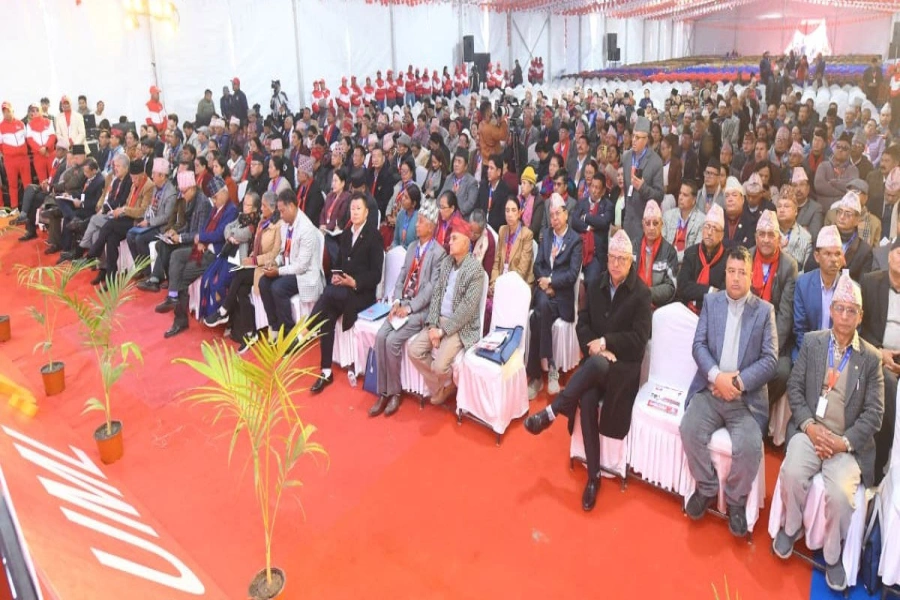
KATHMANDU, Dec 1: After months of internal strife and a looming threat of a split following the September 8–9 Gen Z protests, the Nepali Congress (NC) on Monday unanimously agreed to hold its 15th General Convention from 10–12 January.
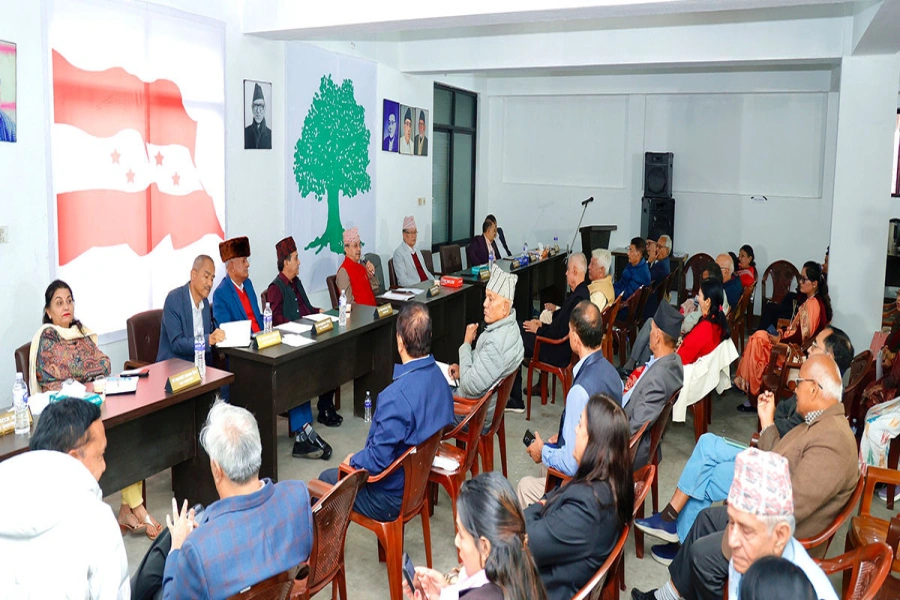
A meeting of the Central Working Committee (CWC) at the party office in Sanepa approved the full convention calendar and extended the tenure of the current committee until mid-February.
According to the schedule, ward-level conventions will take place on 31 December, followed by village and municipal conventions on 1 January, and provincial assembly constituency conventions on 3 January. District conventions are set for 5 January in single-constituency districts and 6 January in multi-constituency districts, with provincial conventions slated for 7 and 8 January.
NC faces internal rift as rival factions propose separate dates...
The unanimous decision represents a major concession by party President Sher Bahadur Deuba, who had initially lobbied to postpone the convention until next year. The party statute allows the president to extend the tenure by one year and Deuba had largely gone unchallenged until the Gen Z movement of September 8–9 disrupted NC politics.
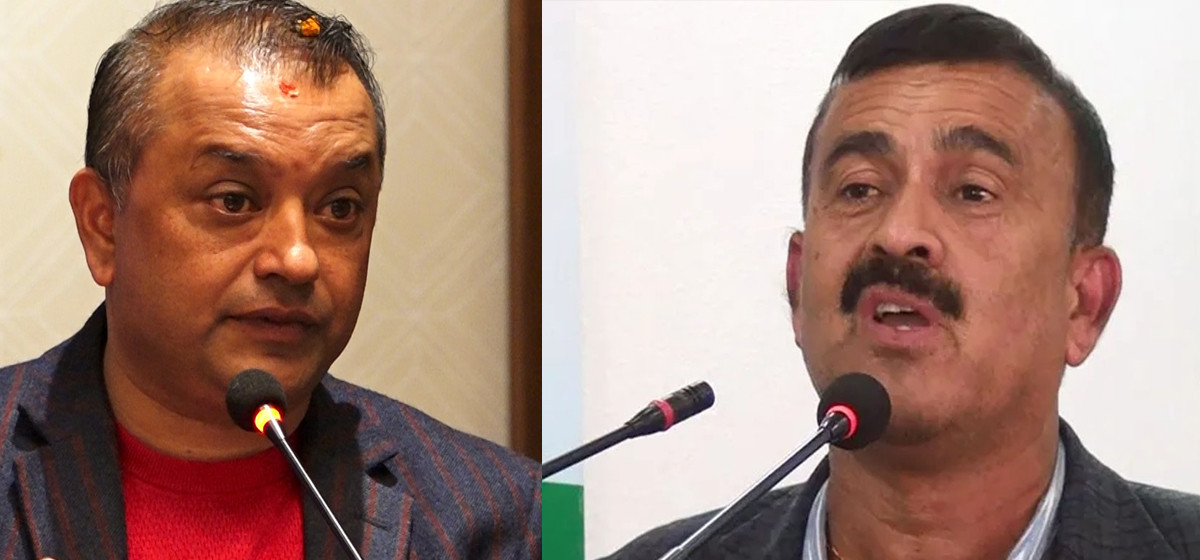
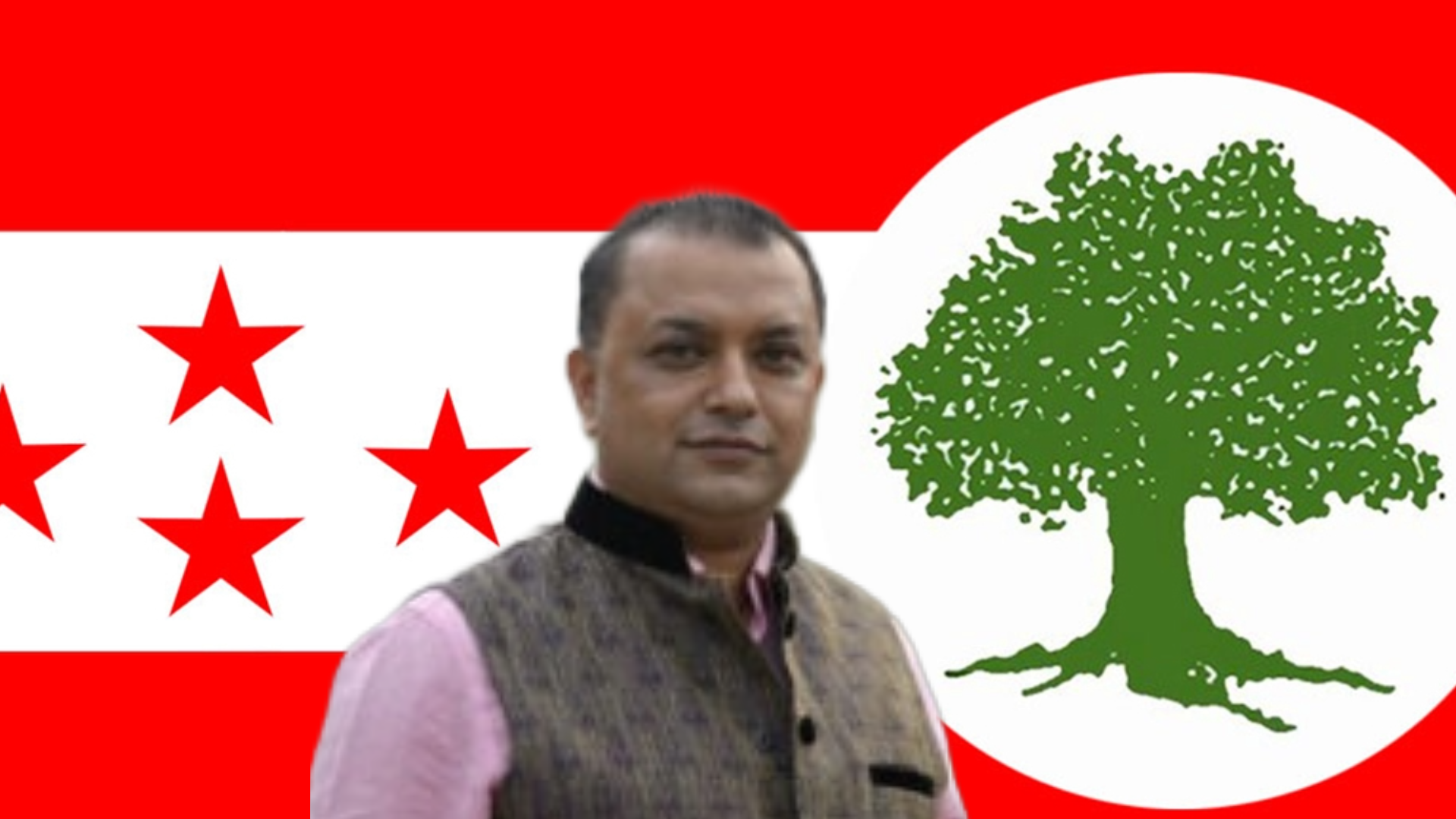
Second-tier leaders—including General Secretaries Gagan Thapa and Biswo Prakash Sharma, along with senior leader Dr Shekhar Koirala—vigorously demanded either a Special General Convention or the regular convention before the House of Representatives (HoR) election scheduled for March 5. When Deuba hesitated, Thapa and Sharma launched a signature campaign, securing the backing of 54 per cent of General Convention members. The party statute mandates that any such demand from over 50 per cent of members must be honoured.
Earlier, Deuba had asked the rival faction to withdraw the signed demand in exchange for the regular convention. Suspecting he might not keep his word, the faction refused to withdraw the signatures. “We have compelled the president to call the General Convention unconditionally. Even if some leaders attempt foul play, we will hold the Special General Convention on the same day,” said NC leader Guru Raj Ghimire, who led the campaign.
The campaign deepened the rift between the establishment and reformist factions. Seven senior former office bearers—including Krishna Prasad Sitaula, Prakash Man Singh, Shashank Koirala, Bimalendra Nidhi, Vijay Kumar Gachhadar, and Prakash Sharan Mahat—aligned with the establishment, resisting any pre-election convention to protect their influence over ticket distribution. By late October, acting President Purna Bahadur Khadka had begun convening parallel meetings of the establishment group.
In the final week, Deuba intensified private consultations across factions. Several young leaders even boycotted meetings called by him. Ultimately, he recognised that further delays would make a Special General Convention unavoidable, potentially jeopardising his leadership.
Finally, Deuba instructed acting President Khadka to propose a feasible timeline for a regular General Convention. Khadka presented the proposal on Monday, and with both factions agreeing it was the only path to avoid a formal split, the CWC passed it unanimously.
The meeting also formally authorised Deuba to become fully active during the convention period. Both the president and acting president can now deploy central representatives as needed, allowing Deuba to reassert leadership if he chooses.













-1765616104.webp)