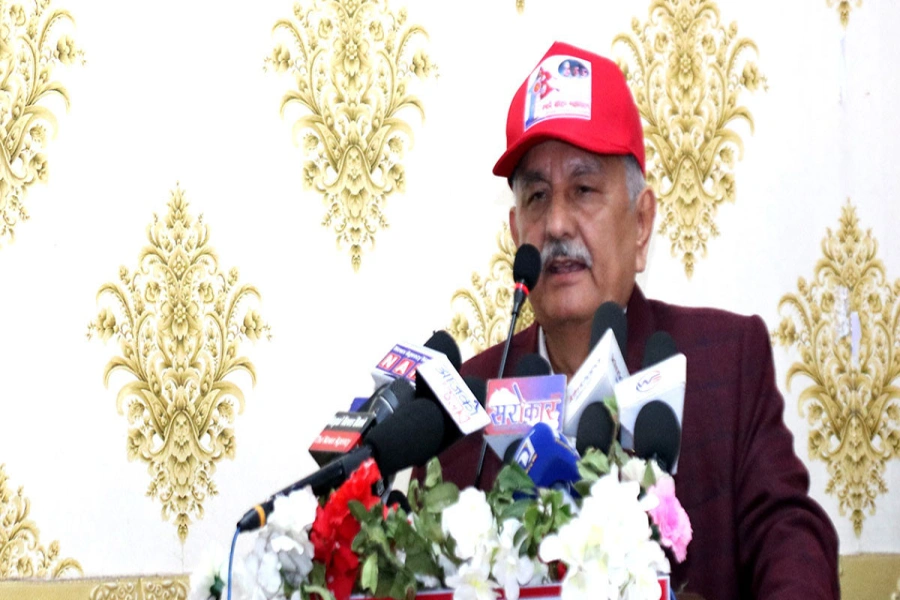
One might wonder what Pushpa Kamal Dahal would say to his former loyalists who stood by him and his party despite the Maoist Centre’s declining popularity in recent years. Prachanda cares little about how others perceive him. As always, the supremo expects his loyalists to follow his instincts, driven by his desire to remain relevant in Nepali politics. It is no surprise he is often compared to a chameleon. Over the years, he has forged alliances with every major party, yet the outcomes have repeatedly fallen short of public expectations for effective governance and delivery. What seems certain is that he will never change his ways.
The recently stitched-together coalition of communist forces—excluding the CPN-UML—appears more determined to bring down Oli’s UML than to offer genuine political reform. In the aftermath of the Gen Z revolt, the return of the old guard to contest the election is the last thing the public wants to see.
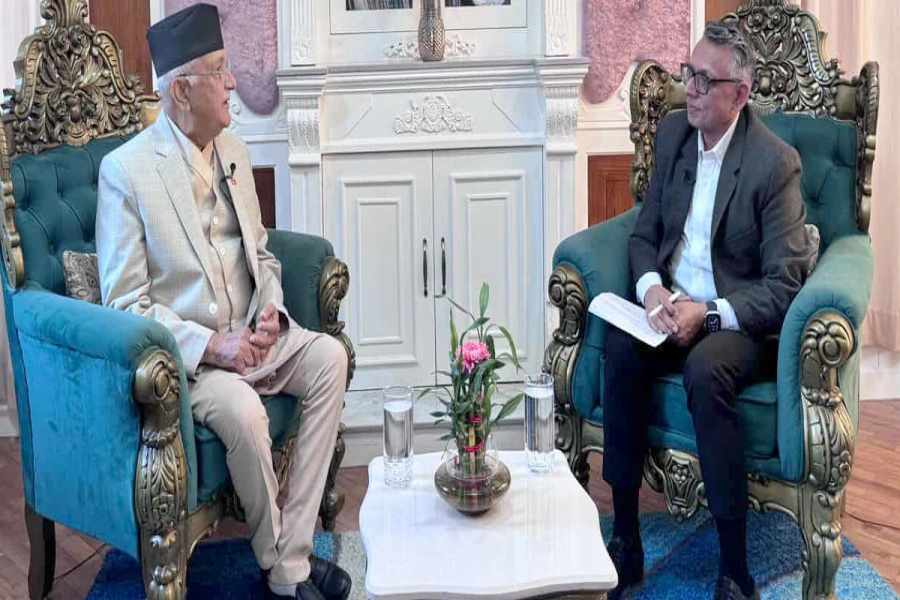
More than two months have passed since the unprecedented uprising that toppled the Oli government. A semblance of normalcy has begun to return, with Oli again making headlines for his contentious remarks. In the current landscape, the UML’s reluctance to participate in the March polls is subtly supported by another political heavyweight—the Nepali Congress. The key difference is that the UML remains firmly in favour of reinstating the dissolved parliament, while the NC is yet to clarify its position.
Beauties, build the thick skin

Comparatively, the NC seems better positioned after the Gen Z revolt, with Deuba having vacated the party chair for a new leader. To many people’s surprise, Oli still believes he has much to offer his party and the nation. Meanwhile, leaders like Gagan Thapa and other second-generation figures want the party convention held before the election so they can enter the March polls under new leadership. What Deuba plans to do, however, remains unclear.
The emergence of new parties at this moment is unsurprising, as many seek to capitalise on public resentment toward established forces. But more parties also mean greater fragmentation, which ultimately benefits the same old political actors. Parties formed hastily ahead of elections often lack credibility; the public knows that building a political organisation grounded in firm ideological principles requires years of preparation.
It is speculated that the RSP may benefit from recent developments, yet the departure of several leaders suggests internal problems. In the coming election—if it takes place—the RSP’s performance will be closely watched. The exit of Sumana Shrestha and Santosh Pariyar has not only weakened the party but also raised doubts among the public. In less than five years, the RSP established itself as a significant force, signalling that Nepali politics is no longer confined to a handful of major parties. But allegations linking the party chair to a cooperative scam have eroded public trust, leaving the party with the challenge of restoring its credibility.
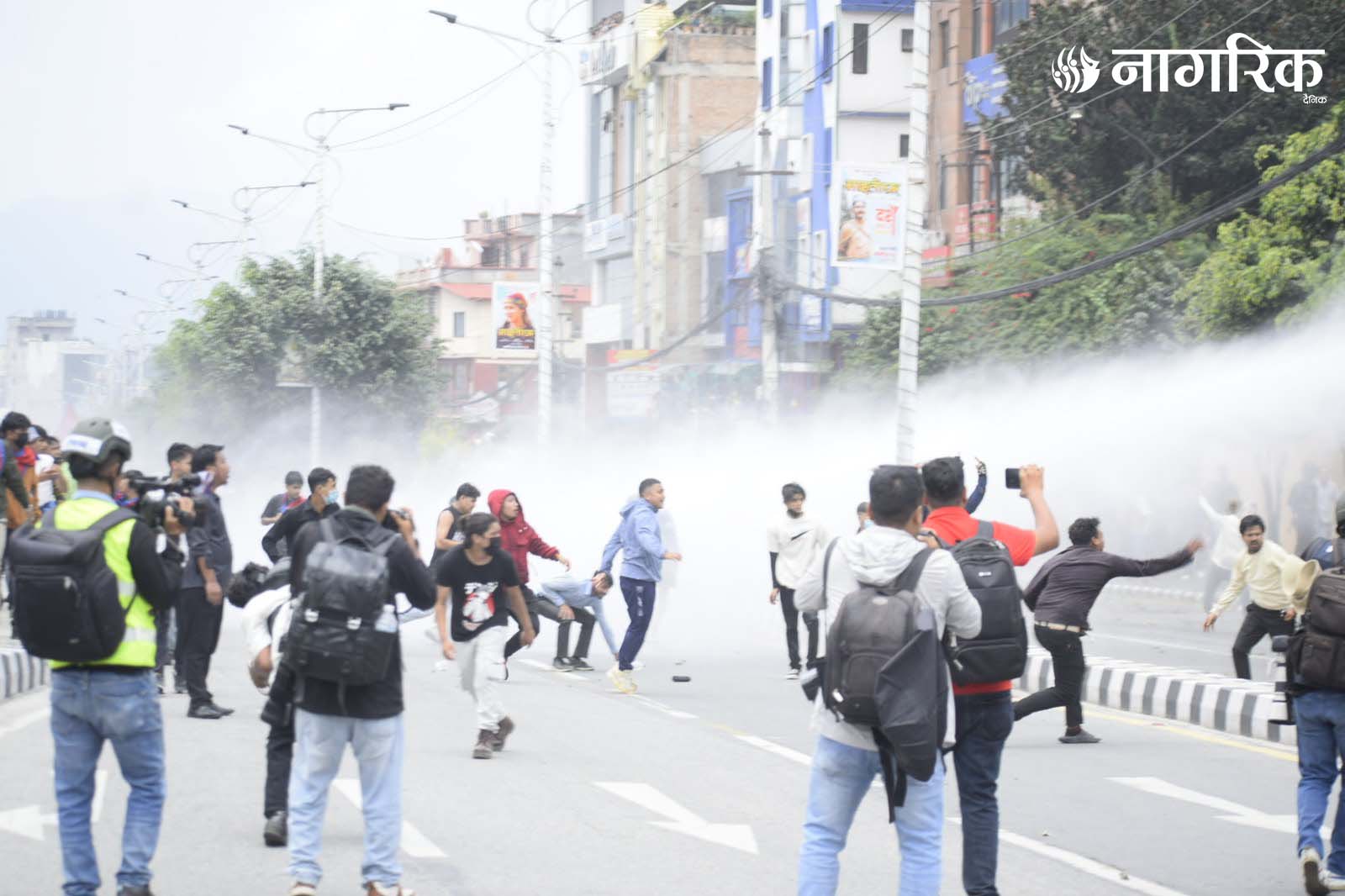
The September uprising was a wake-up call for the political class. It is widely believed that the violent incidents—arson and vandalism—were triggered by infiltrators. Regardless of the cause, the unrest stemmed from deep dissatisfaction with political leaders, their repeated governance failures, and their inability to curb widespread corruption. Nepal’s Gen Z has demonstrated that young people are politically conscious, debunking the myth that youth are indifferent to politics. They deserve recognition for demanding a functional state. Yet the spontaneity of the revolution and its aftermath were overwhelming for a movement lacking strong leaders to guide the transition.
Days of negotiation resulted in an interim government led by Sushila Karki. Tasked with a single mandate—to conduct the parliamentary election—she now faces immense pressure, especially due to the UML and NC’s uncertainty about participating in the polls. The Karki-led government must build trust among both old and new political actors by ensuring a conducive environment for fair elections. She cannot afford personal grievances, and her actions must align with democratic values. Time will reveal whether she can manage the parties and deliver an election on March 5.
Meanwhile, social media is flooded with appearances by Sudan Gurung, Durga Prasain, Nicholas Bhusal, Prabesh Dahal, Miraj Dhungana, and others. Durga Prasain was recently arrested for incendiary remarks ahead of the election. Populism has taken root in Nepali politics, with new faces regularly emerging to attack established leaders. These individuals have frequently spoken on sensitive issues ranging from constitutional reform to geopolitics.
At this critical juncture—especially when social media shapes political opinion—they must be cautious about how they present themselves. Balanced and responsible messaging can help create a healthier political atmosphere. Rather than provoking the public, figures like Durga Prasain should encourage people to vote and choose wisely. The beauty of democracy is that anyone who believes they can contribute to the nation’s progress is free to contest elections. Everyone is welcome—it is everyone’s country.