KATHMANDU, Nov 7: Chief Executive Officer of the Nepal Tourism Board (NTB), Deepak Raj Joshi, has reaffirmed Nepal’s commitment to responsible and sustainable tourism.
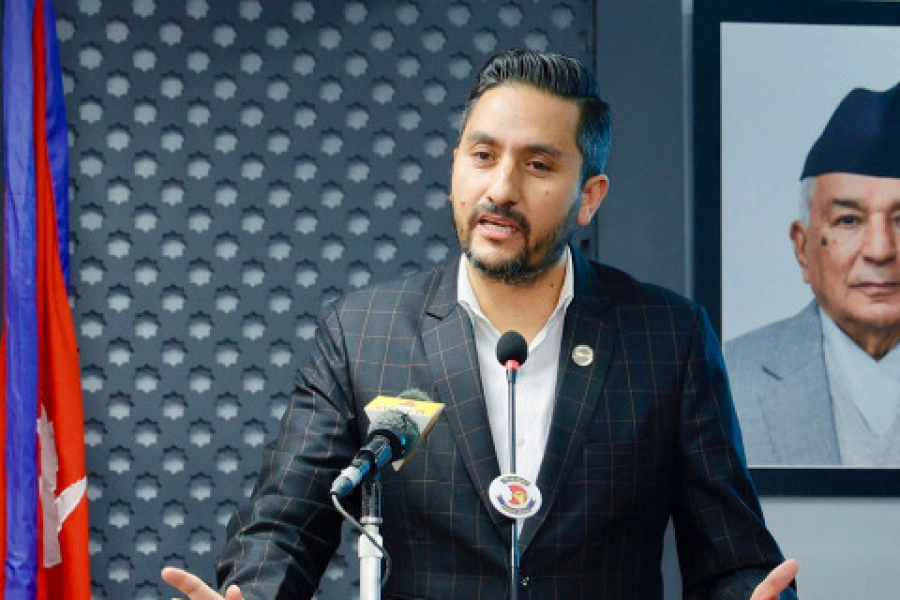
Speaking at the World Travel Market (WTM) 2025 held at ExCeL London during a panel discussion titled “Sustainable Shift: Transforming Tourism through a Circular Economy,” Joshi highlighted Nepal’s ongoing efforts and emphasized the country’s dedication to advancing sustainable tourism.
Sustainable Tourism Challenges

Joshi shared insights on how Nepal is promoting sustainability in its mountainous and rural tourism sectors through community participation, environmental responsibility, and economic inclusivity. He stated, “Nepal is moving beyond superficial ‘green’ initiatives and focusing on systemic change, where balancing environmental conservation, local empowerment, and business sustainability is essential. Nepal is fully committed to this effort.”
The discussion, centered on transforming tourism through a circular economy, explored how the tourism sector can adopt circular economy principles to promote resource reuse, waste reduction, low-carbon transportation, and equitable participation of local communities.
Organized by TROVE Tourism Development, the session brought together tourism experts from across the globe. The panel highlighted innovative practices worldwide while also addressing challenges faced by rapidly evolving markets.
Topics discussed included the integration of circular economy principles with traditional sustainability frameworks, low-carbon mobility for destinations with weak infrastructure, active involvement of local communities in policymaking and challenges arising from limited investment, infrastructure, and skills development. The discussion also examined global tourism trends and the social and economic benefits for local communities contributing to environmental protection.
The session concluded with a message that the tourism sector can no longer rely solely on superficial ‘green’ programs. Instead, it must deliver real, measurable, and impactful change to ensure a sustainable future for both communities and the environment.